15 Easy Dinosaur Activities for Preschoolers
Quick answer
The best dinosaur activities for preschoolers mix hands-on play with simple learning: dino dig sensory bins, frozen dinosaur excavations, footprint painting, paper plate crafts, dinosaur stomp movement games and sorting by size or color. Most need only toy dinosaurs and household items, and each takes 15–30 minutes.
Why dinosaurs are perfect for preschool learning
Dinosaurs are huge, mysterious and a little bit scary, which is exactly why preschoolers adore them. That excitement is a powerful learning tool. When a child cares about a topic, they'll happily count, sort, build vocabulary and practice fine motor skills without realizing they're learning. We explore this more in why kids love dinosaurs.
The activities below are grouped by type, so you can pick one that fits your day: a calm table activity, a messy sensory session or a burst of movement before nap time.
Safety note: Small toy dinosaurs and loose materials like rice or beans can be choking hazards for children under 3. Always supervise sensory and water play.
Sensory dinosaur activities
1. Dino dig sensory bin
Fill a plastic tub with dry rice, sand or oats. Bury toy dinosaurs and give your child a spoon, a paintbrush and a small cup. They become a paleontologist, brushing away "dirt" to uncover fossils. It builds fine motor control and patience.
2. Frozen dinosaur excavation
Freeze small toy dinosaurs in a container of water overnight. Pop out the ice block and let your child free them with warm water in squeeze bottles, salt and a spoon. It's a simple science lesson about melting, and it can hold attention for 30 minutes or more.
3. Dinosaur swamp small world
In a shallow tray, add a little water tinted green, rocks, leaves and toy plants. Add dinosaurs and let the stories begin. Small world play builds language as children narrate what each dinosaur is doing.
4. Fossil dough prints
Make or buy play dough. Press toy dinosaur feet, shells or leaves into flattened dough to create "fossils." Talk about how real fossils formed when animals left prints in mud that later turned to stone.
Dinosaur crafts
5. Paper plate stegosaurus
Cut a paper plate in half for the body. Glue on colored paper triangles along the curved edge for back plates, add a head and four strip legs. Cutting and gluing triangles is great scissor practice.
6. Dinosaur footprint painting
Dip the feet of chunky toy dinosaurs in washable paint and "walk" them across paper. Compare the tracks: which dinosaur has three toes? Which prints are biggest? It's art and observation in one.
7. Egg carton dinosaur
Cut a row of an egg carton for the body, paint it, and add a cardboard head, tail and spikes. Children love making a dinosaur that can actually stand on the table.
8. Hatching dinosaur eggs
Mix baking soda with a little water until it forms a packable dough. Wrap it around a small dinosaur and let it dry. Your child "hatches" the egg with vinegar in a squeeze bottle and watches it fizz. Do this one on a tray.
Movement and games
9. Dinosaur stomp
Call out dinosaur moves: stomp like T. rex, stretch tall like Brachiosaurus, flap like Pteranodon, charge like Triceratops. Add music and freeze when it stops. Perfect for burning energy indoors.
10. Dino egg hunt
Hide plastic eggs with small dinosaurs inside around the house or yard. Use clues for older preschoolers: "Look where we keep the books." Count the eggs together at the end.
11. Dinosaur obstacle course
Set up cushions to climb, a blanket tunnel "cave" and tape lines to balance on like a log over a river. Your child carries a dinosaur through the course. It builds gross motor skills and confidence.
Early learning activities
12. Sort by size, color or type
Put out a pile of toy dinosaurs and ask your child to sort them: big and small, by color, or plant-eaters and meat-eaters. Sorting is a key early math skill.
13. Measure a dinosaur
Many dinosaurs were longer than a school bus. Take a measuring tape outside and mark how long a T. rex was (about 12 meters, or 40 feet). Then have your child lie down and see how many of them fit. Numbers become real.
14. Dinosaur letter match
Write letters on paper "eggs" and matching letters on dinosaur pictures. Your child matches each egg to its dinosaur parent. Start with the letters in your child's name.
15. Dinosaur story time
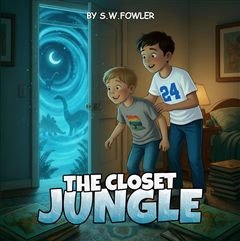
End your dinosaur day with a book. Stories build vocabulary and let children imagine dinosaurs as characters with feelings. In The Closet Jungle, two brothers find a dinosaur world behind their closet door and care for a glowing baby Parasaurolophus named Luna. After reading, ask: "What would you do if you found a dinosaur?" If your child finds the closet a little scary at night, a story like this can help. See our gentle guide for kids scared of the closet.
How to plan a dinosaur theme week
Want to go bigger? Pick one activity type per day:
- Monday: Sensory (dino dig bin)
- Tuesday: Craft (paper plate stegosaurus)
- Wednesday: Science (frozen excavation or hatching eggs)
- Thursday: Movement (dinosaur stomp and obstacle course)
- Friday: Learning and story (sorting, measuring, read-aloud)
A week like this naturally raises big questions, such as "Where did the dinosaurs go?" When it does, our guide on how to explain dinosaur extinction to kids gives age-appropriate words.
Tips for making activities a success
- Keep it short. Preschool attention spans run about 10–20 minutes, so stop while it's still fun.
- Prep before you invite your child, so they don't wait.
- Use a tray or old shower curtain under messy activities.
- Follow their lead. If the dino dig turns into a dinosaur family story, that's a win.
- Talk as you play. Name dinosaurs, describe textures and ask open questions.
Frequently asked questions
What age are these dinosaur activities for?
They're designed for ages 3–5. Many work for toddlers with close supervision and simplified steps, and for early elementary kids with added challenges.
What do I need for dinosaur activities?
A set of toy dinosaurs, paper plates, washable paint, play dough, a plastic tub and rice or sand cover most of this list.
What is the easiest dinosaur activity for preschoolers?
The dino dig sensory bin. It takes five minutes to set up and keeps most preschoolers busy for 20 minutes or more.
How do dinosaur activities help child development?
They build fine and gross motor skills, early math through sorting and counting, vocabulary, and science thinking like observing and predicting.
Are dinosaur activities good for classrooms?
Yes. Most activities scale to small groups. Sensory bins and footprint painting work especially well at learning centers.

S.W. Fowler
Samantha Wiley Fowler (S.W. Fowler) is a mom, storyteller and the children's author of The Closet Jungle, a dinosaur adventure that began as bedtime stories for her own kids. Her tales kept them begging for "just one more chapter," and now she helps parents and teachers raise kids who love to read. Find The Closet Jungle on Amazon and Barnes & Noble.
Related posts

Dinosaur Activities for Kids Inspired by Their Favorite Books
Keep the adventure going after the last page with five simple dinosaur activities that need only everyday supplies.
Read more about Dinosaur Activities for Kids Inspired by Their Favorite Books
Sibling Teamwork Games That Help Brothers and Sisters Get Along
Sibling teamwork games work because they put brothers and sisters on the same side. Instead of competing against each other, they win or lo…
Read more about Sibling Teamwork Games That Help Brothers and Sisters Get Along