Sibling Teamwork Games That Help Brothers and Sisters Get Along

Quick answer
Sibling teamwork games work because they put brothers and sisters on the same side. Instead of competing against each other, they win or lose together. Try cooperative challenges like building a blanket fort, the floor-is-lava rescue, a shared treasure hunt or a team puzzle race against a timer. Short, regular cooperative play builds communication and empathy and reduces fighting over time.
Why siblings fight, and why teamwork helps
Sibling squabbles are normal. Brothers and sisters compete for attention, toys, space and fairness, and they're still learning to manage big feelings. A certain amount of conflict even helps children practice negotiation.
But constant fighting is exhausting for everyone. Here's the key insight: most family games are competitive. When one sibling wins, the other loses, which can fuel rivalry. Cooperative games flip that. Siblings share a goal, so they have to listen, plan, take turns and encourage each other. Every success becomes a shared memory, and those memories build the bond.
12 sibling teamwork games
Indoor teamwork games
1. Blanket fort build
Give your kids blankets, pillows, chairs and clothespins, and one rule: they must agree on the design together. Building requires planning, compromise and shared problem solving. When it's done, the fort becomes a cozy spot for reading together.
2. Team puzzle race
Choose a puzzle that fits the younger child's level and set a timer. The siblings race the clock, not each other. Give each child a role: one finds edge pieces, the other sorts by color.
3. Floor is lava rescue
Scatter cushions across the floor. One sibling must guide the other across without touching the "lava," placing cushions and giving directions. Then they switch. It builds trust and clear communication.
4. Back-to-back drawing
Siblings sit back to back. One describes a simple picture while the other draws it, without looking. Compare at the end and laugh at the results. It teaches listening and giving clear instructions.
5. Cooperative story building
One sibling starts a story with a sentence, the next adds one, and so on. The rule: you must build on what the other person said, not erase it. Older kids can write it down and illustrate it together.
6. Dinosaur rescue mission
Hide toy dinosaurs around the house. The siblings work as a rescue team to find them all and bring them to a "safe nest" before a timer runs out. Want more dino-themed fun? See our dinosaur activities for preschoolers.
Outdoor teamwork games
7. Three-legged race
Tie one leg of each sibling together with a soft scarf and have them walk, then run, to a finish line. They must move in rhythm, which means talking and adjusting to each other.
8. Treasure hunt with split clues
Write clues for a backyard or park treasure hunt, but give half the clues to each child. Neither can reach the treasure alone, so they have to share information.
9. Keep the balloon up
The goal is to keep a balloon (or beach ball) from touching the ground as long as possible, counting each hit together. Try to beat your family record each day.
10. Sidewalk chalk mural
Give siblings a section of driveway and one theme, like "a dinosaur jungle" or "our dream house." They must plan one picture together rather than drawing separately.
Everyday teamwork
11. Team chores challenge
Turn tidying up into a mission: "Can you two clear the living room before this song ends?" Shared goals make chores less of a battle and give siblings a common enemy: the mess.
12. Cook together
Let siblings make a simple snack together, like decorating pancakes or building fruit kebabs. Assign roles: one measures, the other stirs, then swap.
Tips to make teamwork games work
- Match the difficulty to the younger child, with an extra role for the older one, such as "team captain" or "timekeeper."
- Praise the teamwork, not the result. "I loved how you listened to your sister's idea" means more than "Good job winning."
- Keep it short. Ten to fifteen minutes is enough, especially at first.
- Step in early, gently. If frustration builds, pause and help them name feelings and find a solution together.
- Make it regular. A few minutes of cooperative play several times a week works better than one big family day.
Stories that celebrate siblings
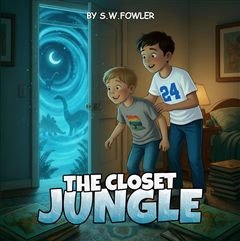
Books are another way to show siblings what teamwork looks like. Children see characters argue, make up, help each other and solve problems side by side. In The Closet Jungle, brothers Reid and Josh face a world of dinosaurs together, and the adventure depends on them looking out for each other. After reading a sibling story, ask: "How did the brothers help each other? When have you helped your sibling?" Our read-aloud tips can make these conversations feel natural rather than like a lesson.
Shared story time can also help at night. Siblings who share a room sometimes feel braver together. If one of your children is scared at bedtime, our guide for kids scared of the closet at night has gentle ideas siblings can help with.
When sibling conflict needs more support
Most sibling rivalry improves with time, connection and clear family rules. Talk to your pediatrician or a family counselor if fighting turns physically harmful, if one child is consistently targeted or afraid, or if conflict is affecting a child's sleep, school or mood.
Frequently asked questions
What are cooperative games for siblings?
Games where siblings work toward a shared goal, so they win or lose together instead of competing against each other.
How do I get my kids to stop fighting and play together?
Give them shared goals, such as building a fort or beating a timer. Praise teamwork, and keep sessions short and regular.
What if my children have a big age gap?
Give the older child a leadership role, like captain or helper, and match the challenge to the younger child's level.
How often should siblings do teamwork activities?
A few short sessions a week, 10–15 minutes each, can make a noticeable difference within a few weeks.
Are teamwork games good for twins too?
Yes. Cooperative games help any siblings practice communication, compromise and empathy, whatever their ages.

S.W. Fowler
Samantha Wiley Fowler (S.W. Fowler) is a mom, storyteller and the children's author of The Closet Jungle, a dinosaur adventure that began as bedtime stories for her own kids. Her tales kept them begging for "just one more chapter," and now she helps parents and teachers raise kids who love to read. Find The Closet Jungle on Amazon and Barnes & Noble.
Related posts

Dinosaur Activities for Kids Inspired by Their Favorite Books
Keep the adventure going after the last page with five simple dinosaur activities that need only everyday supplies.
Read more about Dinosaur Activities for Kids Inspired by Their Favorite Books
15 Easy Dinosaur Activities for Preschoolers
The best dinosaur activities for preschoolers mix hands-on play with simple learning: dino dig sensory bins, frozen dinosaur excavations, f…
Read more about 15 Easy Dinosaur Activities for Preschoolers