10 Benefits of Bedtime Reading for Kids (in Just 15 Minutes)
Parents are told to do so many things for their children that it is easy to feel there is no time left. Bedtime reading is different. It takes about fifteen minutes, it costs nothing if you use the library, and it quietly supports your child in many ways at once.
The American Academy of Pediatrics encourages families to read aloud with children from infancy, and teachers and librarians regularly say the same. Below are ten benefits of a nightly story, with a simple tip for each. Every child is different, so take what works for your family.
1. It builds a close connection
For most families the day is full of rushing, reminders and screens. A bedtime story is a few minutes when you are both still, close together and paying attention. Children feel noticed and valued, and that sense of security is the base for everything else.
Tip: sit close, put your phone in another room, and let your child choose which side of you to lean on.
2. It grows vocabulary
Books contain words that rarely come up in everyday talk, from “enormous” to “tiptoe” to “herbivore.” Hearing them in a story gives children a meaning to attach to each word. Children whose parents read to them regularly tend to meet far more words before school than those who do not.
Tip: pick one interesting word per night and use it again the next day.
3. It prepares them to read
Listening to stories teaches children how books work: the cover, the pages, the left-to-right order, and that the marks on the page mean something. It also builds the listening comprehension that reading skill later depends on.
Tip: run a finger under the words now and then, especially in books with big print.
4. It strengthens attention
Following a story takes focus. Ten or fifteen minutes of listening, without a screen flashing new things every few seconds, trains a child’s ability to stay with one thing. That skill helps in the classroom.
Tip: if your child wriggles, let them hold a small toy or draw quietly while you read.
5. It feeds imagination
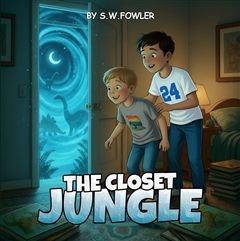
A book gives the words, but the child makes the pictures. Imagining what the jungle looks like, or how the giant sounds, exercises creativity in a way ready-made video does not. Many children carry the story into their play the next day.
Tip: ask “What do you think is behind that door?” and let them invent the answer. Try our activity ideas to turn a story into play.
6. It supports emotional skills
Characters feel afraid, angry, proud and left out, and children learn the words for those feelings. They also see what helps. Talking about how a character feels is practice for talking about their own feelings. Read more in how storybooks help children understand feelings.
Tip: ask one question about feelings per story, and keep it light.
7. It signals that it is time to sleep
A predictable routine helps the body and brain wind down. Doing the same quiet things in the same order, bath, teeth, pajamas, story, tells your child that sleep is coming. Many children settle more easily as a result.
Tip: choose calmer, rhythmic books for the last story of the night, and save the exciting ones for earlier.
8. It replaces screen time at the end of the day
Sleep experts commonly advise avoiding bright screens in the hour before bed. A book is a gentle alternative that gives the same wind-down comfort without the stimulation. It is also easy to take anywhere, even on a trip.
Tip: keep a small stack of books beside the bed so reaching for one is easier than reaching for a tablet.
9. It builds background knowledge
Stories and picture books introduce children to places, animals, jobs and cultures they may never meet in person. That background knowledge helps them make sense of what they read and learn later at school.
Tip: mix stories with non-fiction books on subjects your child loves, such as dinosaurs, space or vehicles.
10. It teaches that books are a joy
This may be the most important benefit of all. A child who links books with cuddles, laughter and calm learns to love reading before anyone asks them to read for school. That love keeps going through the years when other things compete for attention. If your child is not enjoying reading yet, our article on what to do when a child says reading is boring can help.
Tip: let your child choose the book, even if it is the same one again.
When you are too tired to read
Every parent has evenings when the idea of one more task is too much. A few ways to keep the habit without the strain:
Missing a night does not undo anything. What matters is the overall pattern of warm, regular story time over weeks and months, not a perfect streak.
A 15-minute plan that gets most of these benefits
If that feels like too much, five minutes still counts. For a step-by-step approach, see how to make bedtime reading a habit.
Does it still work for older children?
Yes. Children who read well on their own often still love being read to, and they can follow more complex plots by listening than by reading. Reading a chapter of a longer story together keeps the connection going through the school years. Some families also take turns, with a child reading one page and a parent the next.
Frequently asked questions
How long should bedtime reading last?
Ten to twenty minutes suits most families. See how long a 7-year-old should read each day for realistic goals.
What if my child falls asleep before the end?
That is a success. The routine is working. Pick up where you left off tomorrow.
Should I stop reading aloud when my child can read alone?
Not unless they want you to. Read-alouds continue to build vocabulary, listening and closeness well into the later primary years.
Do audiobooks count?
They are a good addition, particularly on tiring nights, but being read to by you adds closeness that a recording cannot. Use both.
Is it too late to start?
Never. Start tonight with five minutes and a book your child likes.
This article is general information and not medical advice. If you have concerns about your child’s sleep or development, please speak to a qualified professional.