Animal or Human Characters? What Kids Get From Each
Walk through any children’s library and you will notice something: a huge number of the stories are about animals. Foxes with feelings, mice with problems, dinosaurs with dreams. Right beside them are books about children at school, at the park and in the kitchen. Is one kind better for a growing reader?
The honest answer is that they do different jobs, and a healthy shelf has both. This article looks at what each kind of character gives a child, how to pick, and an easy way to use them together.
What animal characters do well
They make difficult feelings easier to approach
Books for children often deal with hard topics such as fear, loneliness, being left out or losing someone. When those feelings belong to a shy rabbit or a lonely bear, they feel softer. A child may not be ready to say “I am worried at school,” but can happily say “I am like the rabbit.” That small step away from themselves makes it safe to talk.
They feel universal
An animal does not have a skin color, a hometown or a family type, so many children can imagine themselves in the story. A grumpy badger belongs to everyone.
They invite humor and play
A hippo in a tutu or a mouse who runs a bakery gets a laugh before the lesson arrives. Funny books keep children turning pages and make a serious message easier to swallow.
They carry a gentle distance
When an animal makes a mistake, a child can judge it kindly. That makes animal stories good for topics such as sharing, honesty and saying sorry. The child sees the consequence without feeling blamed.
What human characters do well
They model everyday life
Stories about children who start a new school, argue with a sibling, learn to ride a bike or help in the kitchen show practical ways of handling situations a child will actually face. The setting is recognizable, so the lessons transfer more directly.
They act as mirrors and windows
Educators often describe books as mirrors, where children see their own lives reflected, and windows, where they look into other lives and cultures. Human characters are especially good at both. A child who sees someone like themselves in a book feels valued, and a child who meets someone different learns about the wider world.
They show realistic problem solving
A child character who talks to a parent, asks a teacher or practices until they improve gives children an example they can copy immediately.
They suit real-world topics
Books about doctors’ visits, moving house, a new baby or a divorce are often easiest to follow with a human character in familiar surroundings.
A third kind: fantasy and prehistoric creatures
Dragons, robots and dinosaurs sit somewhere in between. They are not human, but they often talk and feel like people. Children love them because they combine wonder with emotion. A baby dinosaur who is lost can carry all the feeling of a lost child, plus the excitement of a prehistoric world.
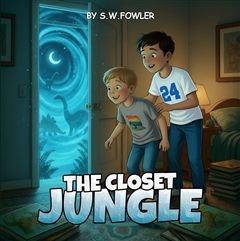
Adventure stories often mix both worlds: ordinary children who meet extraordinary creatures. That combination lets young readers see themselves in the human characters while exploring big feelings through the fantastic ones. You can see this in books such as The Closet Jungle, where two brothers care for baby dinosaurs (see Behind the Book). For more on why dinosaurs capture children’s imaginations, read why kids love dinosaurs.
A quick comparison
Reading each kind aloud
The way you read can bring out what each type of story does best.
Whatever the type, follow your child’s lead. If they are laughing at the funny bear, there is no need to stop and discuss. The lesson will still land.
How to choose
An easy activity: swap the character
After a favorite story, ask your child to retell it with a different kind of character. “What if the bear were a girl named Maya? What would change?” Or the opposite: “What if Maya were a fox?” The exercise shows children that the same situation can feel different depending on who is in it, which builds both creativity and understanding.
What this means for your bookshelf
When children are ready for longer stories, our picture book to chapter book guide shows how to move up while keeping the fun.
Frequently asked questions
Are animal stories better for young children?
They are very popular with younger children because of their softness and humor, but young children also enjoy stories about kids like themselves. Both belong on the shelf.
Do children learn as much from animal characters?
Yes, children readily apply an animal’s experience to their own. What matters is that the feelings and problems in the story are true to life.
My child only wants one kind of story. Is that a problem?
No. Offer a bridge, such as a book with the same theme but a different type of character, and see how it goes.
How do I know if a book is too scary?
Read it yourself first, or look at the cover and a few pages together. You know your child’s sensitivities best, and you can always put a book away for a few months.
Where can I find books with characters like my child?
Ask your local librarian. Librarians keep lists of books by theme and background, and are usually delighted to help.