How to Help a Reluctant Reader Fall in Love With Books

There is a particular kind of determination children develop when they really, truly do not want to do something. You can offer encouragement, make a reasonable suggestion, promise that the activity will be fun, and even bring out your most convincing grown-up smile. Your child will still find a remarkably creative reason to avoid it.
Reading can sometimes fall into that category. You have chosen a lovely book, found a comfortable spot on the sofa, and imagined a peaceful few minutes together. Your child, however, has suddenly remembered an urgent need to build something out of cardboard, investigate a suspicious noise in the next room, or explain why the family pet is behaving in a completely unacceptable manner.
The book remains unopened. If this sounds familiar, take a breath. You are certainly not alone.
Some children take naturally to reading, while others need more time, encouragement, and the freedom to discover what makes books interesting to them. A child who resists reading is not necessarily lazy, uninterested in learning, or destined to struggle with books forever. Sometimes, they have not found the right story. Sometimes, reading feels harder than it looks. And sometimes, the way reading is introduced makes it feel more like work than an adventure. The good news is that you do not need to transform your home into a miniature library or turn yourself into a full-time storyteller to make a difference. You can start with small changes, a little patience, and a willingness to see reading from your child's point of view.
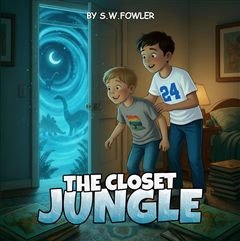
As someone who believes in the power of imaginative storytelling, I have always been drawn to the way a good story can capture a child's attention. The bedtime tales that inspired The Closet Jungle grew from that very idea: children have extraordinary imaginations, and sometimes all it takes is the right adventure to get them listening, wondering, and asking what happens next. So, if your child would rather do almost anything than pick up a book, let's explore a few ways to make reading feel inviting again.
1. First, Understand Why Your Child Is Avoiding Reading
Before trying to encourage a reluctant reader, it helps to understand what might be putting them off.
Not every child avoids books for the same reason. One child might find reading difficult and feel embarrassed about making mistakes. Another might read perfectly well but find the available books boring. Some children struggle to concentrate on long passages of text, while others simply have not yet discovered a genre that captures their imagination.
And then there are children who are tired of being told what to do. If reading has become another task on a long list of daily expectations, even an enjoyable story can start to feel like an obligation.
Try observing what happens when you offer your child a book.
Do they become frustrated when they encounter unfamiliar words? Do they lose interest after a few pages? Are they more willing to listen when someone reads aloud? Do they eagerly discuss stories but resist reading independently? These differences can offer useful clues. Once you understand the obstacle, you can begin finding a way around it.
2. Stop Looking for the Perfect Book and Start Looking for Their Book
One of the easiest mistakes adults make is choosing books according to what they believe children should enjoy.
Perhaps you loved classic fairy tales as a child, so you offer your child a collection of your favorites. Perhaps a teacher has recommended a particular series, or a friend insists that a certain book is wonderful. And yet, your child is completely unimpressed. That does not mean the book is bad. It simply means it has not captured your child's interest. Children are individuals with their own preferences, humor, curiosities, and ideas about what makes a story exciting. One child might love fantasy, another might prefer mysteries, and another might want to read about animals, football, space, or the inner workings of a machine.
Start there.
Ask your child what they enjoy doing when nobody is asking them to read. What videos do they like? What toys do they choose? What questions do they ask? What subjects can they talk about for twenty minutes without losing interest? These everyday details can reveal wonderful starting points.
A child fascinated by building things might enjoy books about engineering or construction. A child who loves solving puzzles might be drawn to mysteries. A young animal enthusiast might enjoy adventure stories featuring unusual creatures.
And if your child loves dinosaurs, that interest can open the door to an entire prehistoric world.
In The Closet Jungle, brothers Reid and Josh discover that an ordinary closet can lead to an extraordinary dinosaur adventure. For children who love prehistoric creatures, the premise offers something immediately intriguing: the possibility that a familiar place might be hiding a world they have never imagined. The lesson here is simple. You do not have to convince children to care about books before they start reading. Sometimes, you can begin with something they already care about and let the story do the rest.
3. Make Reading Feel Like a Choice, Not a Chore
Imagine being told that you must spend twenty minutes every evening doing something you find difficult, followed by a quiz to prove that you have done it properly. Even if the activity had some genuine benefits, you might not look forward to it very much.
Children can feel the same way when reading becomes a rigid obligation. Of course, learning to read takes practice, and there will be times when children need to complete reading activities for school. But not every reading experience needs to be structured around a target, a worksheet, or a measurable outcome.
Where possible, give your child choices. The important part is allowing children to feel some ownership over the experience. When a child chooses a book because it interests them, reading begins to feel like something they are doing for themselves rather than something an adult has assigned. That small shift can make a meaningful difference over time. And if they choose a book you would never have selected yourself? That is perfectly fine. The goal is to help them discover the pleasure of reading, not to ensure that every book on their shelf matches your personal taste.
4. Create a Reading Routine Without Turning It Into a Battle
Routines can help children become familiar with reading, but the trick is to make the experience manageable.
If your child currently avoids books altogether, announcing that they must read for forty-five minutes every evening may create more resistance than enthusiasm. Instead, begin with a small, achievable amount of time. You might read together for five or ten minutes before bed, explore a short story after dinner, or spend a few minutes looking through a book on a weekend afternoon. Choose a time when your child is reasonably comfortable and alert. A child who is exhausted after a busy day may struggle to enjoy even the most exciting adventure.
You can also make the environment inviting. Keep a few books within easy reach, create a comfortable reading corner, or let your child bring a favorite cushion or soft toy. There is no need for an elaborate setup. A comfortable chair and a little quiet time can be enough. Try to make the routine flexible, too. If your child is particularly tired, read one page together and stop there. If they become absorbed in the story, allow the moment to continue naturally when circumstances permit.
Consistency is useful, but it should not come at the expense of enjoyment. Over time, a gentle routine can help reading become a familiar part of the day rather than an activity that always requires negotiation.
5. Talk About Stories in Everyday Life
Reading does not have to begin and end with the time spent holding a book.
You can build a child's interest in stories by connecting them with the world around you.
After reading an adventure, you might discuss what the characters did well, what surprised them, or what they could have done differently. If the story features dinosaurs, you could explore a real dinosaur fact together or look at pictures of fossils. If your child enjoys a particular character, ask what they like about that character. If they dislike a decision someone makes, invite them to explain why.
These conversations can help children understand that stories contain ideas worth thinking about. They also allow reluctant readers to engage with a book without being asked to demonstrate their reading ability every time. Keep the discussions light. You do not need to ask a question after every page, and you certainly do not need to turn every story into a moral lesson.
Sometimes, a simple "That was funny, wasn't it?" is enough.
The purpose is to make stories part of everyday conversation, something children can remember, discuss, and connect with their own experiences. As their confidence grows, they may begin initiating these conversations themselves. That is a lovely sign that reading is becoming more meaningful to them.
6. Be Patient With the Journey, and Know When to Ask for Help
Perhaps the most important thing you can offer a reluctant reader is patience.
A child may become interested in books gradually, through a favorite character, an exciting series, a funny comic, or a story shared with someone they love. Progress may happen in small steps rather than one dramatic transformation. Try not to interpret every refusal as a setback. Children have different moods, energy levels, and interests, and a difficult afternoon does not tell you everything about their relationship with reading.
At the same time, patience does not mean ignoring persistent difficulties.
If your child consistently struggles to sound out words, understand what they have read, remember common words, or read without significant distress, talk with their teacher. Ask what they have noticed and whether additional support or an assessment might be helpful. Early, appropriate support can make reading more accessible and prevent frustration from becoming deeply associated with books.
The aim is not to pressure a child into enjoying something they find difficult. It is to understand what is getting in the way and give them the tools they need to succeed. Every child deserves the opportunity to experience stories without feeling that reading is something they are destined to get wrong.
A Little Encouragement Can Open a Big World
Helping a reluctant reader fall in love with books rarely comes down to one perfect technique. It is usually a combination of understanding your child, finding stories that interest them, making reading accessible, and allowing them the freedom to develop at their own pace. Start with their interests. Offer choices. Read aloud when it helps. Explore comics, illustrated books, and short stories. Celebrate small victories, and do not be afraid to return to a familiar favorite.
Most importantly, let your child see that reading is not simply another task to complete. It can be a source of laughter, discovery, excitement, and connection. That belief is part of what inspired The Closet Jungle. The story grew from the kind of imaginative bedtime storytelling that can turn an ordinary evening into something memorable. Through Reid and Josh's adventure into a prehistoric world, children are invited to experience the excitement of discovery and the possibilities that open when imagination takes the lead.
And that is what I hope every child can find in a book of their own: a reason to wonder what happens next. Perhaps your child will discover that reason in a dinosaur adventure. Perhaps it will be a mystery, a graphic novel, a book about animals, or a story that makes them laugh so hard they insist on reading the funniest part aloud.
The particular book matters less than the connection it helps create.
So, the next time your child resists opening a book, try approaching the moment with curiosity instead of frustration. Ask what they would enjoy reading about. Offer to share a few pages. Let them choose the story, and give them permission to enjoy it in their own way. You may not see an immediate transformation. There may still be distractions, negotiations, and the occasional dramatic announcement that reading is the most boring activity ever invented.
But keep offering opportunities. Keep making room for stories.
One day, your child might surprise you by picking up a book without being asked, wondering what happens to a favorite character, or asking you to find the next instalment of a series they have discovered. And when that happens, you will know that something has begun to change. Not because you forced them to read, but because you helped them discover something worth reading.
Ready for an imaginative adventure? Join Reid and Josh in The Closet Jungle by S.W. Fowler, where an ordinary closet leads to an extraordinary prehistoric world. For young readers who love dinosaurs, discovery, and exciting adventures, it may be the beginning of a wonderful new reading journey.
Keep reading: When your child says reading is boring · Make bedtime reading a habit kids love · How to choose books for your child’s age and reading level
Frequently asked questions
Why does my child refuse to read?
Children avoid reading for different reasons: it may feel hard, the books may seem boring, they may struggle to concentrate, or reading may have turned into a chore. Watching what happens when you offer a book gives useful clues.
How long should a reluctant reader read each day?
Start small. Five to ten minutes together before bed is often enough. Keep it flexible and enjoyable, and build up gradually.
When should I talk to the teacher about my child’s reading?
If your child consistently struggles to sound out words, understand what they read, remember common words, or becomes very distressed, ask their teacher what they have noticed and whether extra support or an assessment would help.

S.W. Fowler
Samantha Wiley Fowler (S.W. Fowler) is a mom, storyteller and the children's author of The Closet Jungle, a dinosaur adventure that began as bedtime stories for her own kids. Her tales kept them begging for "just one more chapter," and now she helps parents and teachers raise kids who love to read. Find The Closet Jungle on Amazon and Barnes & Noble.
Related posts

5 Children’s Books Growing Young Minds
Five books that, in an author’s experience, do real work in a child’s mind: they validate feelings, build empathy and trust young readers w…
Read more about 5 Children’s Books Growing Young Minds
How to Choose the Right Books for Your Child’s Age and Reading Level
Age, reading level and interests all matter. Here is how to find the books your child will actually want to keep reading.
Read more about How to Choose the Right Books for Your Child’s Age and Reading Level
How Long Should a 7-Year-Old Read Each Day?
There is no magic number, but there is a sensible range. Learn how much reading suits a 7-year-old, what counts, and how to build the habit.
Read more about How Long Should a 7-Year-Old Read Each Day?